

Following attacks and retaliatory strikes between the USA and Iran, oil prices have surged. Brent and WTI have resumed their ascent due to risks to shipping in the Strait of Hormuz. The market is demonstrating high sensitivity to geopolitical events.
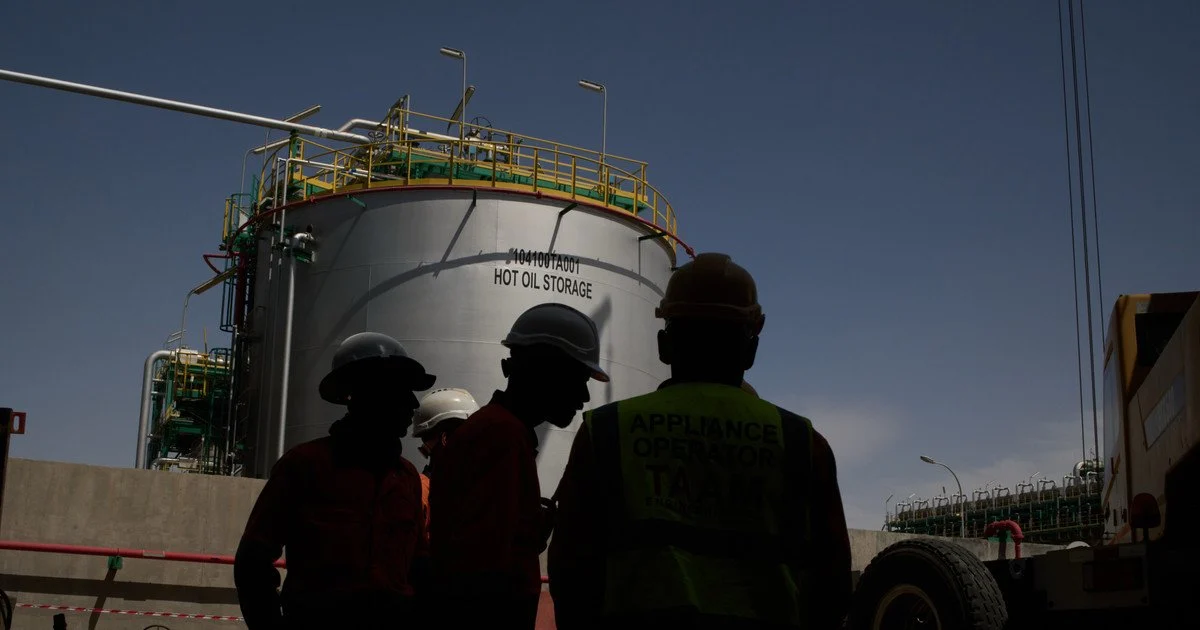
Russian oil has become more expensive / © Associated Press
On Monday, June 29th, global markets recorded another increase in the cost of oil. The primary driver of this price jump was the renewed escalation of US-Iranian relations. This led to delays in the transportation of energy resources through the Strait of Hormuz.
This information is reported by Reuters.
Oil prices are climbing again
During trading, futures for the Russian oil grade Brent rose by 58 cents, or 0.8%, now costing $72.57 per barrel.
The value of the American crude, West Texas Intermediate, increased by 88 cents, or 1.3%, reaching $70.11 per barrel.
This trend reversed the movement of the previous week, when Brent lost 10.6% of its value. At that time, the decline in oil prices was attributed to an increase in the volume of raw material transit through the Strait of Hormuz to its highest levels since February 28, 2026.
The situation in the region sharply deteriorated on June 26th, when forces of the Islamic Revolutionary Guard Corps attacked a civilian commercial vessel flying the Singaporean flag.
On the same day, US President Donald Trump issued an official statement, accusing Tehran of violating the terms of the ceasefire. In response, the US armed forces conducted strikes on Iranian military sites where missiles and drones were stored, as well as on coastal radar stations.
Following this, the US and Iran resumed a regular exchange of strikes.
What is happening with the Kremlin’s oil economy
We remind you that the Russian economy has found itself in a difficult position due to the recent fall in Urals oil prices to a three-month low and continuous attacks by Ukrainian drones on energy facilities.
Infrastructure damage has already necessitated a reduction in Russia’s oil production forecast by 200,000 barrels per day, and oil product exports through the port of Tuapse fell by 91% in May. This limits export capabilities, creates a deficit for civilian consumption, and forces the Kremlin to spend enormous sums on repairs instead of covering the budget deficit.
The situation for Moscow is further complicated by internal economic factors: the strengthening of the ruble, which reduces tax revenues to the budget, and the high key interest rate of the central bank, which hinders business development. Additionally, Russian banks are accumulating hidden debts through preferential loans to arms companies, and the economy faces intensified American sanctions against the oil sector ahead.
Comments Sort: New Old Popular Submit