
Putin’s stance might shift not from reconsidering his own convictions, but due to the influence of circumstances.
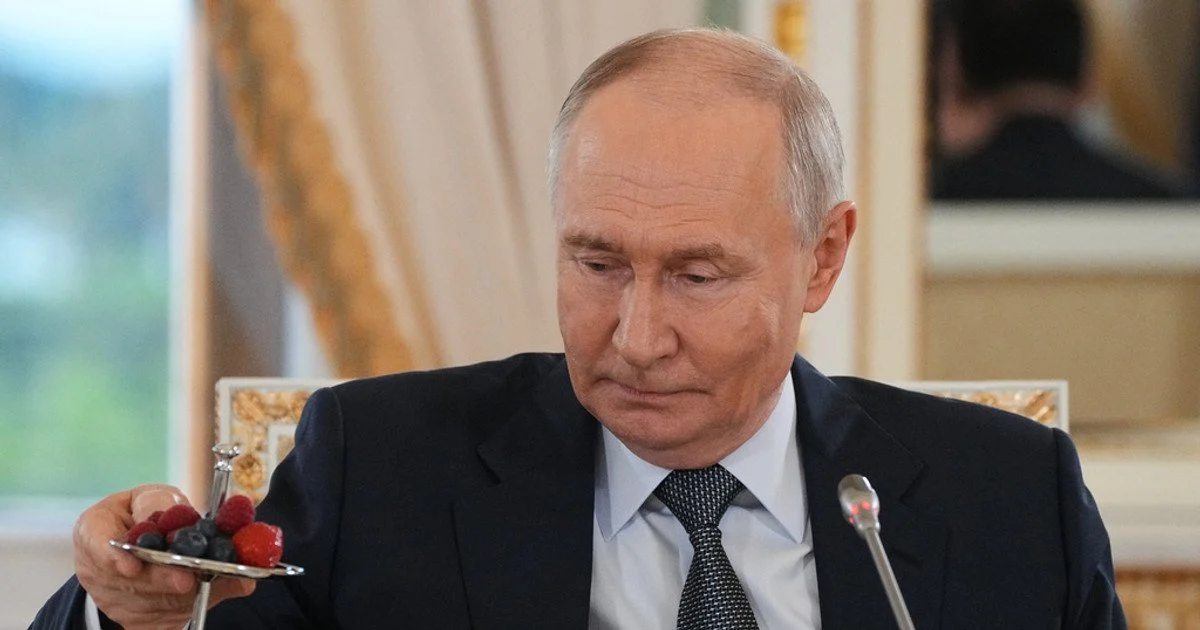
Dictator Putin / © Associated Press
The Kremlin is increasingly feeling the repercussions of the war, and the accumulation of internal issues could compel dictator Putin to enter into negotiations.
This was stated on Espresso by former Director for Europe and Eurasia at the U.S. National Security Council, diplomat Matthew Bryza, in an interview with the host of the program “Studio Zakhid,” Anton Borislavsky.
According to the diplomat, Putin may alter his position not by re-evaluating his personal beliefs, but under the pressure of circumstances that are progressively weakening Russia. These include successful strikes by the Ukrainian Defense Forces on strategic infrastructure, a fuel crisis, the isolation of occupied Crimea, and growing domestic discontent.
“We don’t know when Putin will realize that Russia cannot win this war. That decision rests solely with him. He still believes he has some historical or even divine mission to destroy Ukraine as a state,” the diplomat noted.
Bryza suggests that the decisive factor might not be a single event, but a combination of problems that gradually worsen the Kremlin’s position.
He highlighted that Ukraine’s long-range strikes on oil refineries, fuel infrastructure, and logistics routes are already creating significant difficulties for Russia.
“Long-range strikes are already causing a serious fuel deficit in Russia, especially in occupied Crimea. We see long queues at gas stations, a severe shortage of fuel, and even instances where people have resorted to using weapons due to conflicts in the queues. This indicates rising social tension,” he explained.
The diplomat specifically pointed out the attacks on Russian tankers in the Sea of Azov and strikes on the Kerch Bridge. In his view, such actions are gradually disrupting supplies to the occupied peninsula and could effectively isolate Crimea from Russian territory.
Bryza also recalled that Russia’s history includes precedents where protracted and unsuccessful wars led to significant internal turmoil. Therefore, he is convinced that dictator Putin cannot ignore the risk of increasing public dissatisfaction.
Furthermore, according to the diplomat, sentiments among Russian elites are becoming increasingly critical. He referred to reports indicating that even influential Russian businessmen are increasingly acknowledging the impossibility of achieving victory in the war.
“Putin hears his advisors, observes public sentiment, and knows that the war is costing Russia more and more. It is the combination of all these factors that could compel him to sit down at the negotiation table as soon as possible,” Matthew Bryza concluded.
It was previously reported that Putin’s popularity in Russia is declining, with his approval rating dropping to 66%.
We previously informed that panic is brewing among Putin’s elite in the Russian Federation. Oligarchs from Putin’s inner circle are hastily withdrawing funds from the country.
Comments Sort: New Old Popular Send