

Through its history, Russia has repeatedly perceived Ukraine as a threat, with fear becoming a central element of its policy. Historians emphasize that fear is often the catalyst for aggression from the Russian Federation. Today, these dynamics remain unchanged.
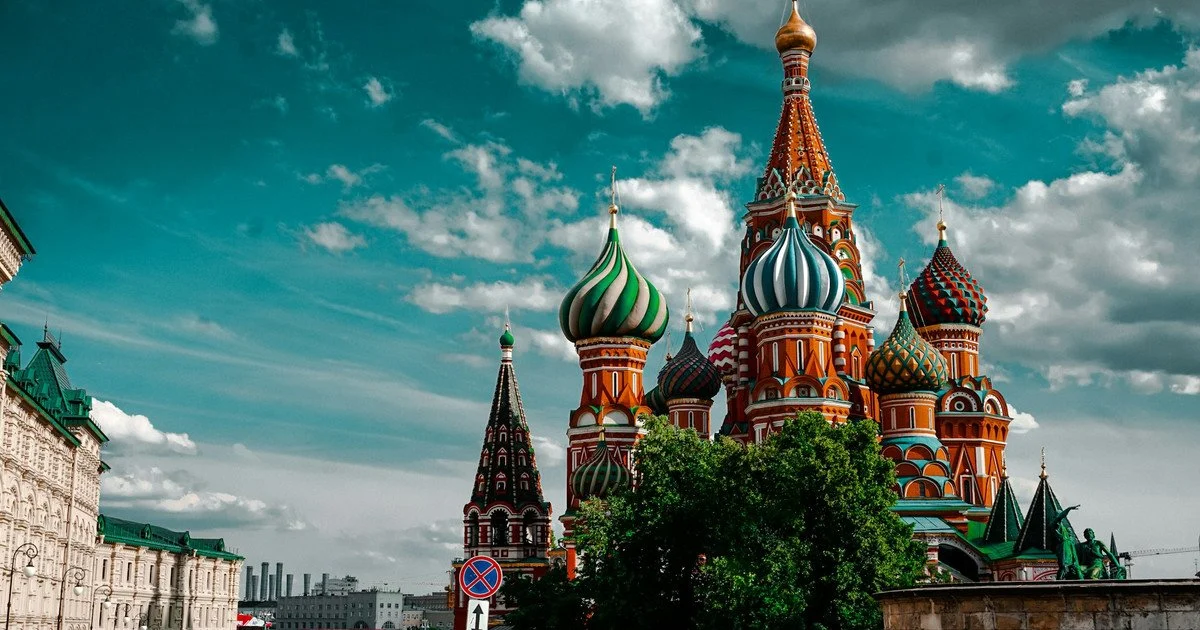
Why Russia Fears Ukraine / © unsplash.com
Russia has never shown respect for other nations, according to historical analysis. However, there is one thing Russia truly understands and respects: fear. Russia’s history includes periods where it was driven by apprehension towards Ukraine. Simultaneously, historians note that throughout its existence, the Russian Federation has lived in a state of fear.
Historian, military serviceman, and head of the Ukrainian Institute of National Remembrance, Oleksandr Alfiorov, elaborated on this with 24 Kanal.
When Russia Feared Ukraine the Most
Russians are accustomed to living in fear. Currently, citizens of the Russian Federation can face imprisonment for using VPNs, expressing anti-war sentiments, or for various other reasons. However, there have been exceptionally notable periods when Russia considered Ukraine its greatest fear. Several such instances exist.
The head of the Ukrainian Institute of National Remembrance shared that the Russian Federation always compensates for fear with aggression. Specifically, this is one of the reasons why the war commenced.
“Russians have never respected any nation. On the contrary, they mock them, which is why jokes emerged about, for example, the Frenchman, the Englishman, the American, and others. Russians are a ‘hooligan’ nation that will resort to force where they cannot prove their point,” Alfiorov states.
Throughout its entire existence, the Russian Federation has feared Ukrainians. The enemy views Ukraine as a threat to its own survival. In different eras, Ukrainian figures such as Ivan Mazepa, Stepan Bandera, or Symon Petliura represented the most significant fears for the Russian Federation.
The historian attributes the Russian fear to Ukrainians being a nation that holds the birth certificate of Rus’ in their hands.
Furthermore, Ukraine has endured at the outset of the full-scale war, modernized its army, and is confidently advancing against the Russian Federation. Foreign generals and troops are studying Ukraine’s wartime experience.
Against this backdrop and significant economic losses, dissatisfaction with Putin is growing in the Russian Federation. Despite criticism, Putin has no intention of abandoning his plans for the so-called “special military operation.”
War in Ukraine: Latest News
We remind you that Russia has intensified its threats towards Ukraine, announcing preparations for strikes on military-industrial complex enterprises and “decision-making centers” in Kyiv, and its Ministry of Foreign Affairs has urged foreign diplomats to leave the capital.
Moscow cites the strike on Starobilsk as the reason, which Ukraine identifies as an attack on a military facility. However, the Ukrainian Ministry of Foreign Affairs emphasizes that the level of danger has not changed, as the Russian Federation has been shelling cities for over four years.
The National Security and Defense Council and expert circles consider these threats an attempt by the Kremlin to divert attention from its own economic problems, a lack of strategic successes on the front, and the vulnerability of Russian regions to Ukrainian long-range strikes.
The psychological pressure is also aimed at Kyiv’s Western partners, all of which is occurring amidst the slowing advance of Russian troops and high losses, which, according to the Institute for the Study of War, exceed mobilization rates.
Concurrently, the real threat remains high: during a recent massive attack, Russia deployed hundreds of drones and missiles, including the “Oreshnik” ballistic missile, which is difficult to intercept. For effective defense against such threats, the Air Force of the Armed Forces of Ukraine urgently requires additional Patriot systems and corresponding missiles.
Ultimately, the Kremlin’s rhetoric indicates not only its intention to continue its terror but also a growing nervousness in Moscow, which is attempting to compensate for its own failures and military challenges through psychological pressure on Ukraine and its allies.
Comments Sort: New Old Popular Send